

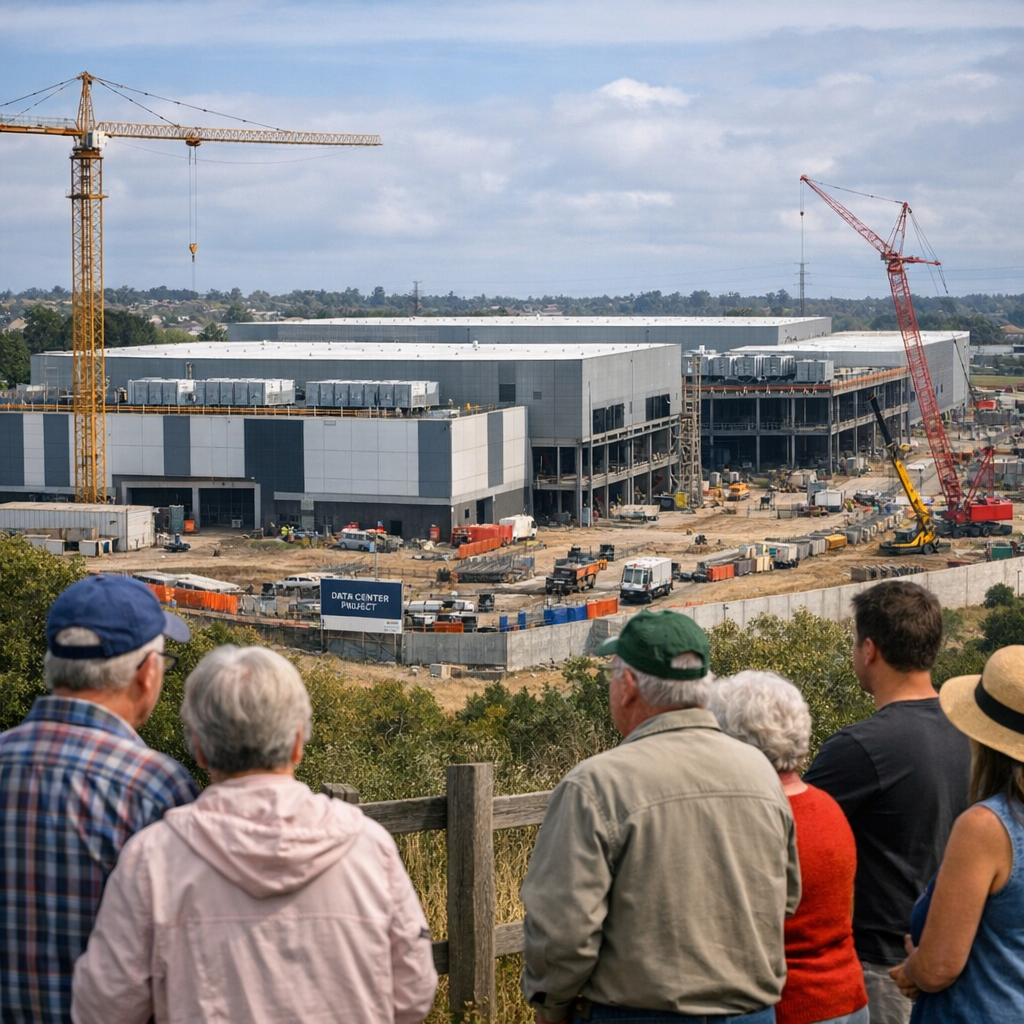
In recent years, Scranton and its neighboring communities have witnessed a surge in data center developments. These facilities, essential for housing vast amounts of digital information, promise economic growth but also raise significant concerns among residents.
Economic Prospects
Proponents argue that data centers can be a boon for the local economy. Bob Durkin, president and CEO of the Greater Scranton Chamber of Commerce, emphasizes the potential benefits, stating, “This local economy is in really good shape.” He notes that developers have shown keen interest in the area, with numerous buildings downtown being acquired and renovated.
Community Concerns
Despite the economic incentives, many residents express apprehension. In Archbald, a neighboring town, plans for six data center campuses covering 14% of the area have sparked debates. Residents worry about environmental impacts, potential displacement, and the strain on local resources.
Environmental and Social Implications
Data centers are known for their substantial energy and water consumption. The increased demand can lead to higher utility costs and environmental degradation. Additionally, the construction of these facilities often leads to the displacement of residents, particularly in low-income areas, raising ethical and social concerns.
Finding a Middle Ground
Balancing economic development with community well-being is crucial. Transparent communication between developers, local governments, and residents can lead to solutions that address both economic and social needs. Implementing stringent environmental regulations and ensuring fair compensation for displaced residents are steps toward achieving this balance.
As Scranton continues to evolve in the digital age, it’s imperative to consider the multifaceted impacts of such developments, striving for progress that benefits all members of the community.